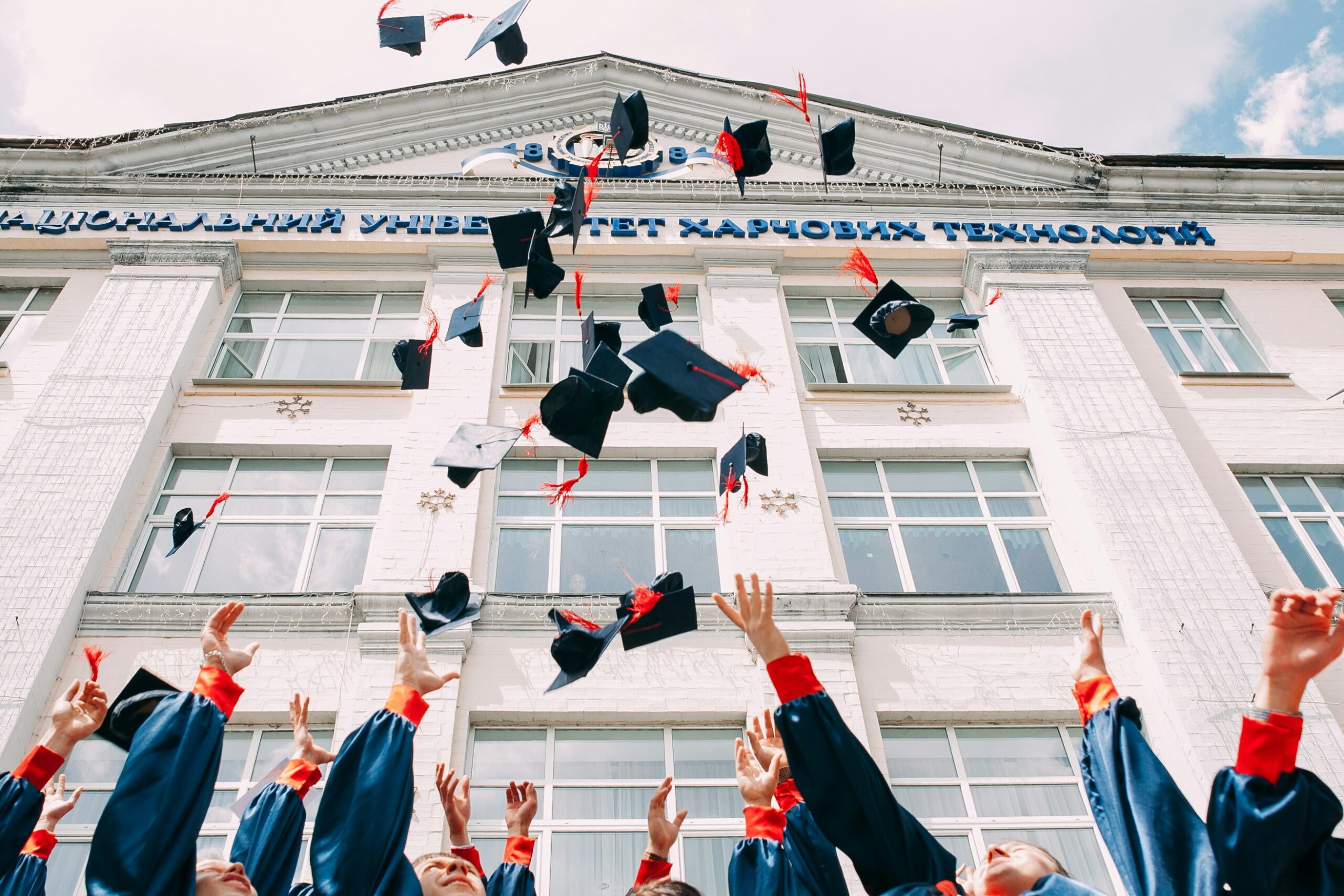

The Anticipation of Graduation
Graduation day is often a poignant milestone, embodying a blend of anticipation and anxiety for students poised on the threshold of their future. It serves not only as a formal recognition of academic achievements but also as an emblem of personal growth and transformation. As the day approaches, graduates typically experience a whirlwind of emotions: excitement at the thought of finally completing their education, coupled with trepidation about what lies ahead. This duality is a common theme as students navigate the complexities of transitioning from the structured environment of academia into the uncertain realms of adulthood and professional life.
The graduation ceremony carries considerable significance. It is a public acknowledgment of years of hard work and commitment, a ceremony steeped in tradition that unites students, families, and faculty. The cap and gown symbolize not only the culmination of academic pursuits but also the shared journey of learning and growth that has occurred. For many, walking across the stage to receive a diploma can evoke a profound sense of accomplishment, validating all the late-night study sessions and sacrifices made along the way. However, this moment can also prompt questions about the next steps in life, including career decisions, further education, or other personal aspirations.
<pmoreover,
Will They or Won’t They Walk?
The graduation ceremony is often a momentous occasion, representing the culmination of years of hard work and dedication. However, many graduates grapple with uncertainty about their participation in this pivotal event. Factors influencing their decision can range from academic standing to personal circumstances, creating an emotional labyrinth that can leave students feeling conflicted. For some, the prospect of walking across the stage signifies not just academic achievement but also a profound personal milestone, while for others, the weight of their current academic situation may overshadow this celebration.
Academic standing is a prominent factor that can affect a graduate’s willingness to participate in the ceremony. Students who are unable to meet graduation requirements, whether due to failing grades or missing credits, may feel that walking in the ceremony would be disingenuous. This concern can intensify feelings of anxiety, leading some to reconsider their presence altogether. The emotional weight of not passing classes can lead to significant turmoil, as individuals often feel they are letting down not only themselves but also their families and loved ones who have supported them throughout their academic journey.
Moreover, personal circumstances, such as financial difficulties, health issues, or family obligations may also play a pivotal role in their decisions. These challenges can create a sense of isolation, leading students to believe that their peers may be experiencing a more triumphant journey. The fear of being judged or comparing oneself unfavorably to others can exacerbate the emotional turmoil surrounding graduation. As a consequence, some students may choose to forgo the ceremony entirely, further compounding their feelings of inadequacy and disappointment.
Ultimately, the decision of whether to participate in the graduation ceremony is deeply personal and multifaceted. Each graduate must weigh their unique circumstances, reflect on their achievements, and navigate the emotional landscape that comes with this significant life transition.
Breakups Before Graduation: The Relationship Rollercoaster
The period leading up to graduation is often filled with excitement and anticipation; however, it can also bring about considerable emotional challenges, particularly in romantic relationships. As students prepare to transition from the familiar confines of academic life to the uncertainties of adulthood, the pressures of impending graduation can create a unique environment for relationships. The stress associated with final exams, job searches, and future plans may inadvertently strain couples, leading to conflicts or complete breakups.
During this transformative phase, individuals often reevaluate their priorities and desires, which can create friction within established relationships. The impending change can cause partners to question their compatibility and long-term goals, consequently heightening tensions. Moreover, the fear of separation as graduation approaches might cause some to prematurely end the relationship rather than face the uncertainty of a long-distance scenario. This tendency to disconnect can stem from a desire to safeguard one’s emotional well-being as individuals prepare for a new chapter in their lives.
The emotional fallout from these breakups can be profound. Students who experience relationship dissolution may find themselves grappling with feelings of loneliness and loss just as they are preparing for one of the most significant milestones in their academic journeys. Friends and support systems become crucial during this time, as discussing the experience with others can help mitigate feelings of isolation. Furthermore, it is important to acknowledge that while breakups are painful, they can also serve as a catalyst for personal growth and self-discovery. As individuals reassess their identities, they may emerge from this emotional tumult stronger and more self-aware.
Navigating such relationship dynamics during this pivotal transition can ultimately contribute to a better understanding of oneself and the nature of romantic connections. While the pressures of graduation may lead to challenging experiences, they are also an opportunity to learn about resilience and adaptability in the face of change.
GPA Scandals: The Dark Side of Academic Pressure
The pursuit of high academic performance has transformed into an overwhelming pressure cooker for students across educational institutions. In their quest for exemplary GPA, many students face intense stress that may lead them down the path of GPA scandals. These incidents of cheating and academic dishonesty reflect a critical moral dilemma among learners and invoke significant consequences that extend beyond mere academic credentials.
Instances of cheating can manifest in various forms, ranging from minor infractions like unauthorized collaboration on assignments to major breaches, such as purchasing papers or using technology to gain unfair advantages during assessments. The prevalence of these scandals is often fueled by the competitive environment within academic settings. Students are led to believe that only through attaining high grades will they secure their desired futures, leading to an ethical compromise that can tarnish their personal integrity.
The ramifications of such actions are profound, impacting not only the individuals involved but also their peers, educators, and institutions. Relationships can suffer as trust erodes; students who might otherwise collaborate and support one another begin to view their classmates as rivals. Educators, when faced with academic dishonesty, may become discouraged or skeptical regarding the legitimacy of their assessments, leading to an overall decline in the ethical standards within the classroom and school community.
Moreover, the mental health implications tied to GPA scandals are substantial. Students caught in these scandals often grapple with shame, anxiety, and the fear of failure—emotions that can affect their overall well-being. The pressure to maintain a particular GPA can push students towards making decisions that compromise their values, revealing an urgent need for educational institutions to reassess their policies and create a supportive environment that mitigates the adverse effects of academic pressure.
The Ghosted Group Projects
In the collaborative environment of academia, group projects serve as a fundamental component of the learning experience, allowing students to engage actively with their peers while sharing diverse perspectives. However, an emerging issue that has gained attention is the phenomenon of students being ‘ghosted’ by their group members. This term refers to instances where one or more members become unresponsive, often abandoning their responsibilities without prior notice. Such behavior can lead to significant challenges for those who remain engaged in the project.
The impact of being ghosted in a group project can be multifaceted. First, it directly affects project outcomes, as the contributions of all team members significantly influence the overall quality of the work produced. When individuals fail to communicate or participate, the remaining members are often left to shoulder the additional workload. This imbalance can reduce the quality of the project and, consequently, the final grades received. Moreover, the absence of key contributors disrupts the initial collaboration dynamics, creating confusion regarding roles and expectations among the remaining team members.
Beyond project outcomes, the emotional ramifications of being ghosted can contribute to heightened stress levels for diligent students. The pressure of completing a project alone, coupled with the anxiety of impending deadlines, exacerbates feelings of frustration and helplessness. This situation is particularly pronounced during periods leading up to graduation, where academic demands are intensified. Students may feel isolated and unsupported, adversely affecting their academic performance and overall morale.
In essence, ‘ghosting’ in group projects not only disrupts the collaborative nature of academic work but also poses a significant challenge to students navigating their educational journeys, particularly as they approach their graduation milestones. Such behavior underscores the need for improved communication and accountability among group members, fostering a more cohesive and supportive academic environment.
Mental Health Struggles During Graduation Season
The graduation period is often considered a pinnacle of academic achievement and a gateway to future opportunities. However, for many students, this transition can also trigger significant mental health challenges. Graduating students frequently experience heightened levels of anxiety and depression. The pressure to secure employment, attain further education, or make substantial life decisions can exacerbate feelings of uncertainty and inadequacy, leading to mental distress.
The anxiety surrounding graduation is compounded by the competitive job market and the fear of not measuring up to societal expectations. Many individuals find themselves grappling with impostor syndrome, questioning their abilities and accomplishments. This experience may lead to feelings of isolation and despair, where students find it difficult to connect with peers who may be experiencing similar struggles. Additionally, the process of saying goodbye to friends and familiar surroundings can intensify these sentiments, as students undergo a forced reckoning with their identities, leaving behind a significant chapter of their lives.
Furthermore, feelings of loss may emerge as students transition from structured academic environments to uncertain futures. The shift from student life to the workforce or post-graduate education can evoke a sense of disorientation, prompting individuals to reconsider their self-worth and aspirations. Under these circumstances, it is crucial for students to prioritize their mental health and seek support from various resources available on campuses, such as counseling services and peer support groups.
Recognizing the importance of mental health during graduation season is vital. To navigate this tumultuous time effectively, students should be encouraged to adopt healthy coping mechanisms, such as mindfulness practices, physical activities, and engaging in open conversations with trusted individuals. In supporting each other, graduates can build a network of resilience and navigate this period of transition with greater ease and confidence.
Support Systems: Friends, Family, and Faculty
Transitioning from academic life to post-graduation can be a tumultuous experience fraught with emotional challenges and uncertainty. A reliable support system plays a pivotal role in helping graduates manage these difficulties. Friends, family, and faculty can collectively offer the reassurance and guidance needed during this critical period.
Friends often serve as a vital emotional anchor during graduation. They share in the celebrations and can empathize with the fears and anxieties that accompany leaving the academic environment. Having peers who understand the unique pressure graduates face can alleviate feelings of isolation. These friendships not only provide companionship but also create a space for open discussions regarding future aspirations, job searches, and emotional wellbeing. Engaging with friends can often shift focus from academic stress to shared experiences, fostering a sense of belonging and reducing anxiety.
Family support is equally essential. A graduate’s family can provide both emotional and practical assistance during this transitional phase. Families often offer encouragement, helping alleviate the self-doubt many graduates experience. This support can come in various forms, such as providing a safe space to discuss challenges or lending financial aid during job searches. Moreover, family encouragement can serve as a motivational force, reinforcing the belief in the graduate’s capabilities and potential contributions to society.
Faculty members play a crucial role in this support system as well. Their guidance can provide graduates with valuable insights into navigating the complexities of the job market and professional life. Faculty can also facilitate networking opportunities, which are essential for career advancement. Engaging with faculty mentors often leads to lasting relationships that extend beyond graduation, offering lasting professional support. Overall, the combination of friends, family, and faculty creates a robust support system that significantly aids graduates in navigating emotional turmoil and challenges, making the transition smoother and more manageable.
The Future Ahead: Embracing Change
The journey of graduation marks a significant transition, not merely an end but rather the inception of a new chapter brimming with opportunity. As graduates stand at this pivotal crossroads, it becomes essential to embrace the forthcoming changes with an optimistic outlook. The post-graduation period is often fraught with uncertainties, yet it also teems with possibilities that can shape one’s future in remarkable ways.
Change is an intrinsic part of life, and entering a new phase after graduation invariably brings both challenges and opportunities. The labor market continuously evolves, and graduates must adapt to new trends and technologies while honing their skills. By remaining open-minded, they can better navigate this landscape, thus transforming potential obstacles into stepping stones. Opportunities such as internships, networking events, and advanced studies frequently accompany this period, offering graduates a chance to explore various career paths and possibilities.
Resilience is pivotal during these transformative moments. It acts as a foundation upon which graduates can build their future endeavors. The ability to face setbacks, learn from failures, and bounce back demonstrates not just strength but also character. Graduates who cultivate resilience are far more equipped to handle the pressures associated with job searches, potential relocations, and the inherent uncertainty that accompanies life transitions. Embracing change with resilience can turn daunting experiences into enriching lessons.
As new graduates embark on this journey, they should recognize that this transition is not merely about securing employment but about personal growth and the pursuit of passions. Their willingness to embrace change will shape their paths in exciting new directions, ultimately leading to a fulfilling future. With an open mind and a resilient spirit, graduates can transform the unknown into a landscape of opportunities waiting to be discovered.
Conclusion: Celebrating Milestones Amidst the Drama
The journey to graduation is often laden with a multitude of emotional experiences and academic challenges. Each graduate encounters a tapestry of events that shapes their educational path, often marked by moments of triumph punctuated by periods of uncertainty and turmoil. Navigating this intricate landscape becomes a rite of passage that not only tests resilience but also highlights personal growth and development.
Amidst the chaos and drama that can characterize the graduation experience, it is crucial to recognize and celebrate the milestones achieved throughout this journey. These accomplishments are not merely academic; they symbolize perseverance, overcoming obstacles, and the culmination of dedication and hard work. Graduates should take the time to reflect on the challenges faced and the lessons learned, as these experiences contribute significantly to their personal narrative.
As each graduate advances towards their future, it is important to embrace the unique journey they have undertaken. While some may have experienced a serene path to their degree, others may have navigated through a labyrinth of emotional upheaval or academic scandals. Regardless of the circumstances, the commonality lies in the achievement of graduation, representing a significant milestone in one’s educational journey.
Ultimately, the emotional rollercoaster associated with graduation should not overshadow the positive aspects of this momentous occasion. Celebrating these achievements, regardless of the hurdles faced, fosters a sense of community and shared experience. It is essential for graduates to acknowledge their unique journeys, focusing not solely on the challenges but also on the resilience and strength derived from these experiences. This balanced perspective enriches the significance of graduation, transforming it into a celebration of both personal and collective victories.