
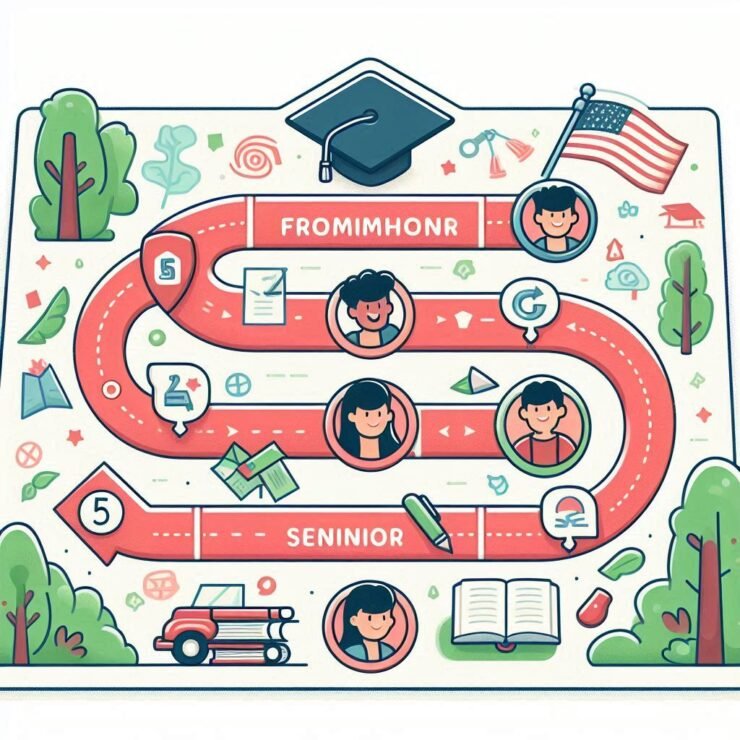
Introduction: The Journey Ahead
The transition from high school to college represents a significant milestone in the lives of students, filled with both opportunities and challenges. This guide, “The Ultimate Student Survival Guide: From Freshman to Graduation,” aims to provide valuable insights that will assist students in navigating their collegiate journey. From the moment students step onto campus as eager freshmen to the day they don their caps and gowns, they encounter a myriad of experiences that shape their academic, social, and personal development.
Understanding the complexities of college life can be daunting. Freshmen often grapple with the challenge of establishing new routines, developing time management skills, and adjusting to a more demanding academic environment. This guide emphasizes that each year presents its own unique set of challenges and milestones, from exploring course selections and engaging in campus activities to managing relationships and honing independence. By proactively addressing these transitions, students can enhance their overall college experience and lay a solid foundation for their futures.
Throughout this guide, various strategies and tips will be highlighted, providing practical advice that can help students thrive during this pivotal time. Whether it is finding resources to aid in academic success, learning how to foster meaningful connections, or developing self-care practices, the goal is to equip students with the tools they need to navigate the complexities of college life effectively.
In embarking on this journey, students must recognize that while the path may be challenging, it is also filled with opportunities for growth and exploration. Embracing these experiences can lead to personal and academic accomplishments that will last long after graduation. This ultimate survival guide seeks to illuminate that path, giving students the guidance they need from their freshman year all the way through to graduation.
Freshman Year: Finding Your Footing
The transition from high school to college represents a significant milestone in a student’s life, marked by a multitude of experiences and challenges. Freshman year serves as a critical period for adjustment and growth, as students navigate a new academic environment, social dynamics, and personal responsibilities. One of the first steps in this journey is participating in orientation activities, which are designed to help newcomers acclimatize to campus life. Orientation not only familiarizes students with essential resources but also connects them with peers and faculty, laying the groundwork for future relationships.
A crucial aspect of successfully adjusting to college life is the establishment of a daily routine. Unlike high school, where schedules are often structured, college offers greater freedom in time management. Freshmen should strive to balance coursework with social activities by setting aside dedicated study periods and sticking to them. This proactive approach encourages discipline and helps to minimize stress as academic demands increase. For instance, allocating specific hours for studying, attending classes, and engaging in extracurricular pursuits can help create a sense of stability amid the busyness of college life.
Moreover, meeting new people is an essential part of the freshman experience. Students are encouraged to join clubs, organizations, or study groups to expand their social circles and forge meaningful connections. These interactions provide emotional support and contribute positively to a well-rounded college experience. Furthermore, taking the initiative to explore campus resources, such as academic counseling, health services, or extracurricular offerings, can significantly enhance a student’s ability to thrive in this new environment. Overall, freshman year is about finding one’s footing, with effective time management and active engagement playing a pivotal role in shaping a successful college journey.
Sophomore Year: Building Foundations
The sophomore year of college marks a crucial phase in a student’s academic journey, as students transition from the initial overwhelming experience of freshman year to a more settled and focused environment. By this time, students often have a better understanding of their academic strengths and preferences. Therefore, it is essential to begin contemplating a major that aligns with their interests and career aspirations. Engaging in open conversations with academic advisors can provide valuable insights into the choice of major and its implications for future career paths.
In addition to selecting a major, sophomores should concentrate on developing effective study habits that will sustain them through their remaining years in college. Creating a structured study schedule, utilizing campus resources such as tutoring centers, and employing various learning techniques can significantly enhance academic performance. Furthermore, starting study groups with peers can foster collaboration and deepen understanding of course material.
Extracurricular involvement plays a vital role in shaping a well-rounded college experience. Joining clubs and organizations not only provides opportunities to meet new people but also allows students to explore interests outside of academics. Participating in these activities can enhance crucial skills such as teamwork, leadership, and time management. These experiences are instrumental for students seeking internships or job placements later, as employers often value well-rounded candidates with strong interpersonal skills.
Moreover, fostering relationships with professors is paramount during the sophomore year. Engaging actively in classes, attending office hours, and seeking mentorship can positively impact academic success. Professors can provide guidance not only in academic pursuits but also in identifying internships that align with students’ career goals. Building a network of contacts through internships and academic connections can prove invaluable for career prospects after graduation. Overall, the sophomore year is a pivotal time for students to solidify their academic foundations and prepare for the next steps in their professional journey.
Junior Year: Academic Growth and Opportunities
The junior year of college represents a pivotal moment in a student’s academic journey, characterized by significant opportunities for growth and development. As students transition into their third year, it is crucial to strategically select courses that align with their career aspirations. A well-thought-out academic schedule should not only fulfill graduation requirements but also enhance skills relevant to future professions. Students are encouraged to consult with academic advisors to understand which courses may contribute most effectively to their intended career paths.
In addition to coursework, seeking internships is a most beneficial step during junior year. Participating in internships provides real-world experience that can enrich students’ understanding of their chosen field. These opportunities not only allow the application of theoretical knowledge gained in the classroom but also facilitate networking with professionals. Establishing such connections is invaluable; they can serve as references, mentors or even potential employers in the future. Therefore, students should actively seek internship openings that correspond with their career interests, often starting this process as early as the beginning of the academic year.
Furthermore, participating in research projects during junior year can greatly contribute to academic development. Engaging in research provides students with the chance to hone their analytical and critical thinking skills while also allowing them to collaborate with faculty and peers. This experience may bolster students’ resumes and applications for graduate school or other professional opportunities.
Building a professional online presence becomes increasingly important in this era of digital communication. Students are encouraged to create profiles on platforms like LinkedIn to showcase their skills, experiences, and connections. This digital presence serves as an essential tool for networking and job searching, making it easier for potential employers to learn about candidates. To optimize their online reputation, students should regularly update their profiles with relevant achievements and engage with content related to their fields of interest.
Moreover, the significance of seeking mentorship cannot be overstated. Establishing relationships with faculty, industry professionals, or alumni can provide guidance and insights that are crucial in navigating academic and career uncertainties. Mentorship can lead to personalized advice, professional development opportunities, and sometimes even internship or job placements. Consequently, students must be proactive in reaching out to potential mentors who can aid their academic growth and career exploration during this pivotal year.
Senior Year: Preparing for the Real World
The senior year of college marks a pivotal transition from academic life to the professional world, necessitating a strategic approach to preparing for graduation. As students enter this final chapter, it is essential to focus on several key areas that will facilitate a smooth transition into the workforce. A critical step in this process is resume building. Crafting a compelling resume that accurately reflects one’s skills and experiences is vital. Utilize campus resources such as career services to gain insights and feedback on crafting a well-structured document that stands out to potential employers.
In tandem with resume development, effective job search strategies must be implemented. Begin this process by exploring career fairs, off-campus opportunities, and job portals relevant to your field of study. Taking the initiative to connect with alumni can provide invaluable insights and potential job leads. Many universities host networking events specifically designed for seniors. Attending these events not only helps students meet industry professionals but also builds relationships that can lead to internship or job offers.
A key component often overlooked in job readiness is the importance of exit interviews. Engaging in discussions with advisors and mentors about one’s experiences can yield constructive feedback and clarify future career pathways. Maintaining a balance between academic obligations and career preparation is crucial during this time. Prioritizing coursework while simultaneously investing time in job searches ensures that students can graduate with a strong academic record as well as confidence in their post-college plans. Time management strategies and setting realistic goals are essential practices to help navigate this busy and often stressful period.
Essential Skills for College Success
As students embark on their college journey, developing essential skills is crucial for achieving academic success and preparing for life after graduation. Key skills that students should cultivate include critical thinking, communication, time management, and financial literacy. Each of these skills plays a vital role in navigating the complexities of college life and beyond.
Critical thinking is one of the foremost skills students should develop. It involves analyzing information, evaluating different viewpoints, and making informed decisions. To enhance critical thinking abilities, students can engage in debates, participate in discussions, and solve complex problems in group settings. These activities encourage a deeper understanding of subjects and foster intellectual independence, which is essential both academically and professionally.
Effective communication is another fundamental skill that enables students to articulate ideas clearly. It encompasses both verbal and written forms, including presentations and essay writing. To improve communication skills, students may practice public speaking through student organizations or seek feedback on written assignments from peers or instructors. Mastering this skill not only aids in academic performance but also enhances interpersonal relationships in the workplace.
Time management is crucial for balancing academic responsibilities with social activities and personal commitments. Students can utilize planners or digital tools to organize their schedules, set priorities, and allocate time efficiently. Developing the discipline to adhere to a structured routine can lead to improved productivity and reduced stress.
Finally, financial literacy is a skill that is often overlooked yet indispensable for long-term success. Understanding how to budget, manage student loans, and save money empowers students to make informed financial decisions throughout their lives. Workshops offered by universities or online resources can provide valuable information on financial planning, helping students cultivate a solid foundation for the future.
In conclusion, by actively working to develop critical thinking, communication, time management, and financial literacy, students lay the groundwork for academic excellence and career readiness. These essential skills are integral to thriving during college and in the real world.
Mental Health and Well-being: Caring for Yourself
Maintaining mental health during college is crucial for students who navigate various challenges and responsibilities. The stressors inherent in academic life can take a toll, leading to increased anxiety and feelings of overwhelm. Common issues faced by students include academic pressure, financial concerns, and the adjustment to living away from home. These factors can contribute to signs of burnout such as persistent fatigue, irritability, and difficulty concentrating.
Recognizing the symptoms of mental distress is the first step in addressing them. Burnout can manifest in various ways, including withdrawal from social activities, decreased academic performance, and physical symptoms like headaches or sleep disturbances. It is essential for students to be mindful of their emotional state and to seek help when needed. Awareness and early intervention can significantly improve one’s overall well-being.
Effective coping strategies are vital for managing stress and maintaining mental health. Practices such as mindfulness and meditation can serve as excellent tools for alleviating anxiety and promoting relaxation. Engaging in regular physical activity, whether through academic sports or recreational activities, also contributes positively to mental well-being. These activities not only foster social connections but can also provide essential breaks from academic demands.
Furthermore, establishing a healthy work-life balance is essential. Students should prioritize self-care and ensure they allocate time for recreational activities, hobbies, and social interactions outside of their studies. Utilizing campus resources, including counseling services and mental health workshops, can also provide valuable support. Many colleges offer mental health resources that help students develop coping techniques tailored to their individual needs.
In conclusion, prioritizing mental health and well-being throughout the college experience is essential. By being aware of common stressors, recognizing signs of burnout, and employing effective coping mechanisms, students can navigate their academic journey more successfully. Engaging with available resources and maintaining a balanced life will contribute to both personal growth and academic success.
Social Life and Friendships: Building Connections
Social connections are a fundamental aspect of the college experience, playing a critical role in shaping a student’s overall well-being and academic success. The transition from high school to college can be daunting, as students often find themselves in new environments surrounded by unfamiliar faces. Therefore, intentionally investing time and energy into building friendships is essential for creating a supportive network.
One of the most effective ways to establish lasting relationships is through involvement in extracurricular activities. Whether joining clubs, sports teams, or volunteer organizations, participating in these activities offers opportunities to meet like-minded individuals who share similar interests. Engaging in group projects or study sessions can also facilitate connections while enhancing academic collaboration and support.
Furthermore, effective communication is paramount in fostering friendships. Active listening, empathy, and open dialogue can help navigate both positive interactions and conflicts that may arise. College is a melting pot of diverse perspectives, and being receptive to different viewpoints can enrich relationships. Practicing conflict resolution skills, such as addressing issues promptly and respectfully, prevents misunderstandings from escalating and promotes healthier dynamics.
Maintaining friendships requires effort and commitment. Scheduling regular meet-ups, offering support during challenging times, and celebrating milestones together can deepen bonds. Social media may help, but it should not replace face-to-face interactions, which are crucial for developing strong emotional connections. Balancing academic responsibilities with a vibrant social life is essential, as meaningful friendships contribute to a sense of belonging and enhance the overall college experience.
In conclusion, the social aspect of college life is integral to personal and academic development. By actively engaging in campus activities, practicing effective communication, and nurturing relationships, students can foster lasting connections that enhance their college journey and beyond.
Staying Organized and Financially Savvy
Effective organization is a cornerstone of success in college, impacting both academic performance and financial management. For students navigating their coursework, utilizing planners and digital applications can greatly enhance productivity. Planners, whether traditional paper or digital, help track assignments, deadlines, and exam dates, providing a visual representation of academic responsibilities. Digital apps such as Todoist, Trello, and Google Calendar allow students to set reminders and categorize tasks, fostering a structured approach to managing time. By creating a consistent routine and prioritizing tasks, students can reduce anxiety and ensure that they meet their academic commitments.
Financial literacy is equally important for college students, as it lays the foundation for responsible money management. Understanding how to budget can help students make informed choices about their spending. A practical first step is to establish a monthly budget that includes fixed expenses, such as rent and utilities, as well as variable costs like food and entertainment. There are numerous budgeting apps available, such as Mint or YNAB (You Need A Budget), which can help track expenses and identify areas to cut back. By regularly reviewing their financial status, students can make adjustments as needed, ensuring they remain within their budget.
Additionally, managing student loans requires careful planning and awareness of repayment options. Students should familiarize themselves with the types of loans they are taking out, including federal versus private loans, as well as the interest rates and repayment terms associated with each. By doing so, they can avoid unnecessary debt and effectively plan for repayment post-graduation. In conclusion, staying organized academically and financially as a college student is essential for success. By employing effective tools for coursework management and understanding financial principles, students can pave the way for a more secure future.
Conclusion: Embracing Your Journey
As students navigate the complexities of college life, it is essential to reflect on the key insights shared throughout this guide. The college experience, from freshman beginnings to the culmination of graduation, is a unique journey filled with opportunities for personal and academic growth. Each stage presents distinct challenges and triumphs that foster resilience and adaptability. By embracing these experiences, students can transform their time in college into a fulfilling chapter of their lives.
It is important to recognize that every student’s path is different. The variety of experiences—whether it be forming lifelong friendships, discovering passions through various courses, or overcoming academic hurdles—contributes to the richness of the college journey. Each obstacle faced can serve as a vital learning moment, shaping character and facilitating the development of skills necessary for future endeavors. Understanding that challenges can enhance personal growth is fundamental in ensuring a successful college experience.
Moreover, celebrating milestones, no matter how small, can instill a sense of accomplishment and motivation. Whether it is completing a challenging project, achieving a personal best in extracurricular activities, or simply adjusting to college life, acknowledging these moments fosters positivity and determination. Students are encouraged to document their journey—through journaling or creating a portfolio—providing them with tangible reminders of their resilience and achievements.
In closing, as students embark on this transformative journey, they should embrace every moment and cherish the growth that accompanies it. The experiences and lessons learned during this period hold significant value that extends beyond graduation day. By cultivating a mindset of resilience and openness, students can ensure their college journey is not only successful but also profoundly enriching, equipping them for life beyond the classroom.